

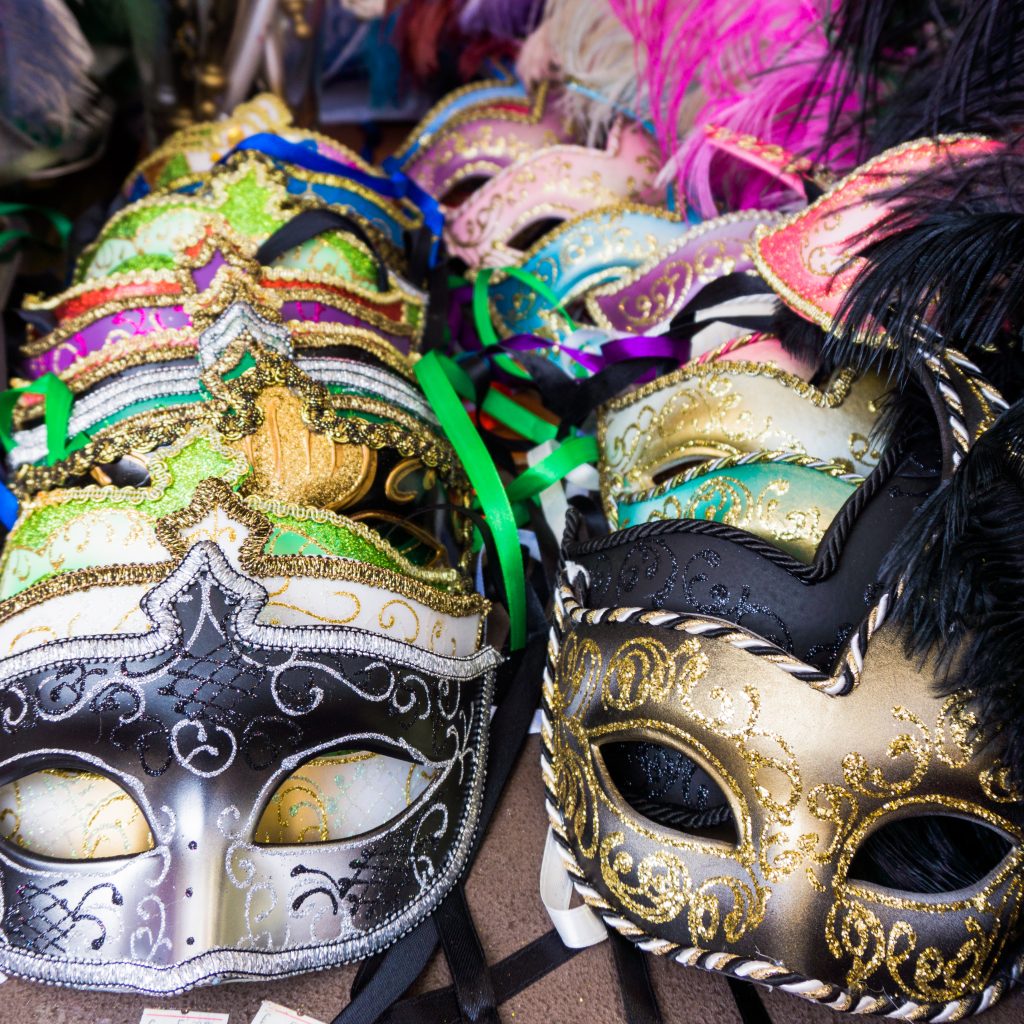
In many parts of the world, February is also associated with Carnival, a festive season that precedes the Christian period of Lent. Carnival typically takes place in February or early March, depending on the date of Easter, and is characterised by public celebrations, colourful costumes, music and parades.
Historical Background
The word “carnival” is believed to derive from the Latin phrase carne vale, meaning “farewell to meat.” Historically, Carnival marked the final days of celebration before the fasting period of Lent in the Christian calendar. Over centuries, local traditions shaped the celebration differently in various regions, resulting in a rich diversity of customs worldwide.
Carnival Traditions in Different Countries
One of the most famous celebrations takes place in Rio de Janeiro, Brazil, known for its large-scale parades, samba performances and elaborate costumes. In Venice, Italy, Carnival is renowned for its elegant masks and historical costumes, reflecting traditions that date back to the Middle Ages. In Cologne, Germany, street festivities and humorous parades form a central part of the celebration.
Although the form of celebration varies, common elements include music, dance, satire and community gatherings. Carnival offers an opportunity for collective joy and creative expression before a period traditionally associated with reflection and restraint.
From a cultural perspective, Carnival demonstrates how shared religious roots can evolve into distinct national and regional traditions. It highlights the role of celebration, identity and language in shaping community life across societies.