Estonian courses online or in classroom
Our online trainings are held on a digital platform agreed with the participant(s).
Our classroom trainings take place in the center of Budapes at our language school.
Course start: continuously throughout the year
We start our Estonian group language courses throughout the year depending on the number of applicants.
Our individual Estonian courses start within one week of registration.
Individual and small group courses
Our Estonian language courses take place within the framework of individual and small group courses (groups of 2 and 3-4 participants).
Number of lessons
The number of lessons for an Estonian language course module is 24 lessons (24 x 45 minutes) for a group course.
In the case of an individual Estonian course, the total number of lessons is flexible, it will be determined according to the request of the participant.
Course schedule
The course schedule for the Estonian language courses is always tailored to the needs of the participant(s). This applies to both our individual and small group courses.
Levels: from beginner to Advanced (C1)
We offer Estonian language courses from beginner to advanced at the following levels:
A1, A2, A2+, B1, B1+, B2, B2+, C1
Preliminary assessment test
For non-beginners, Estonian language courses are preceded by a test to assess the current language knowledge of the participant.
We recommend our 12-lesson long tourist language course!
During the Estonian tourist language course, you can learn the most important words and phrases that you may genuinely need during your travels. With the help of our experienced teacher, you will not only acquire useful travel vocabulary, but also gain insight into Estonian culture, customs, typical rules of etiquette, and traditional cuisine.

Professional and special Estonian courses
Among our Estonian language courses, we also offer specialised and professional training programmes tailored to individual needs (such as exam preparation (for HARNO exam (Haridus- ja Noorteamet)) and country-specific cultural training, among others).
International groups and individual courses for language learners from all around the world
Our Estonian language courses are regularly attended by international students.
In this case, the language of instruction is selected in consultation with the participant.
Upon request we also offer the possibility that the language of instruction during the language courses are in the target language (Estonian).
Corporate Estonian courses
We also organize Estonian language training within the framework of corporate language courses.
Application
You can apply for our courses in person at our customer service office, by phone, or by email from Monday to Thursday between 10:00 a.m. and 5:00 p.m., and on Fridays between 10:00 a.m. and 4:00 p.m.
Should you wish to visit us in person, our office is conveniently located in the city centre at 1056 Budapest, Váci Street 47.
You can reach us by phone at +36 20 340 4411 or +36 20 222 7653 (also available on Viber and WhatsApp), or by email at mail@interlanguage.info. Following your enrolment, our course coordination team will contact you and begin preparing the selected training programme.
Learn Estonian at our language school and enjoy the benefits of your improved language skills in your conversations with your friends, on your travels, at work or during your business meetings!
Interesting Facts about the Estonian Language and Culture
The Estonian language, or eesti keel, is the official language of Estonia. It belongs to the Finno-Ugric language family. Approximately 1.5 million people speak Estonian as their native language.
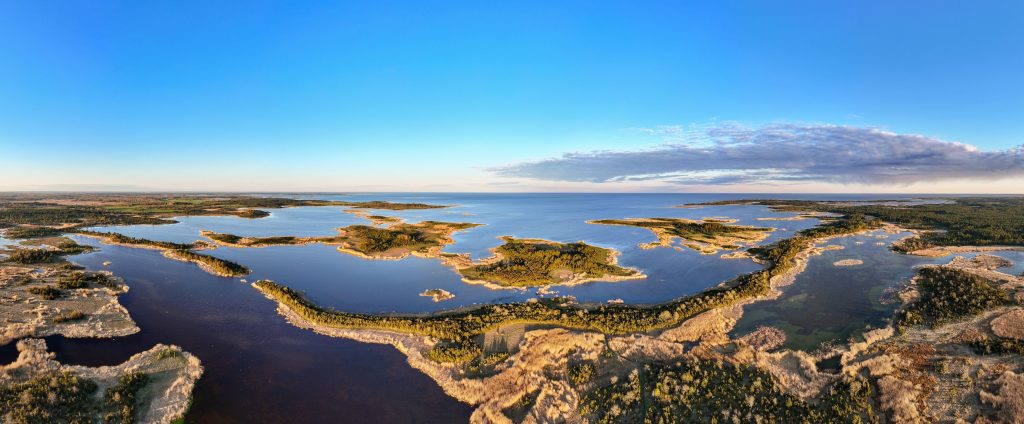
Estonia covers an area of 45,335 km², including around 2,000 islands. More than 50% of the country is covered by forests.
Estonia is one of the most digitally advanced countries in the world, with most administrative and everyday services carried out online.
One of its most significant national events is the Estonian Song Festival (Laulupidu), a large-scale musical and cultural festival that represents one of the most important expressions of Estonian national identity. It is held every five years in Tallinn, bringing together tens of thousands of singers and hundreds of thousands of spectators. The festival is also included on UNESCO’s Intangible Cultural Heritage list.
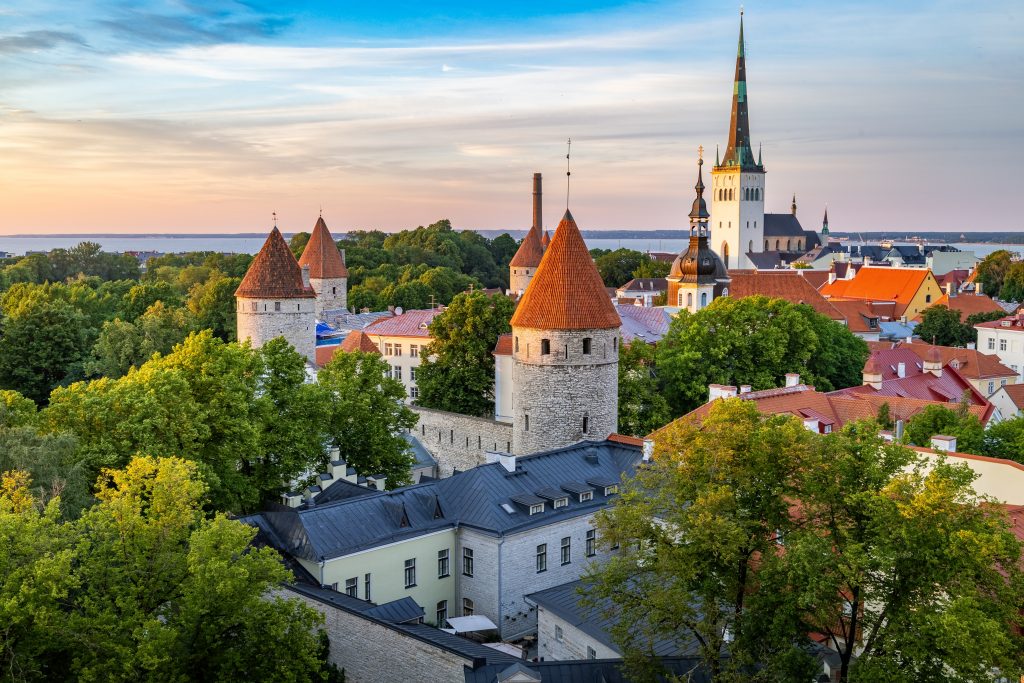
The oldest continuously operating pharmacy in Europe is located in the Old Town of Tallinn. It has been in operation since the early 15th century and still functions today, also serving as a museum where visitors can explore medieval remedies and pharmaceutical tools.