
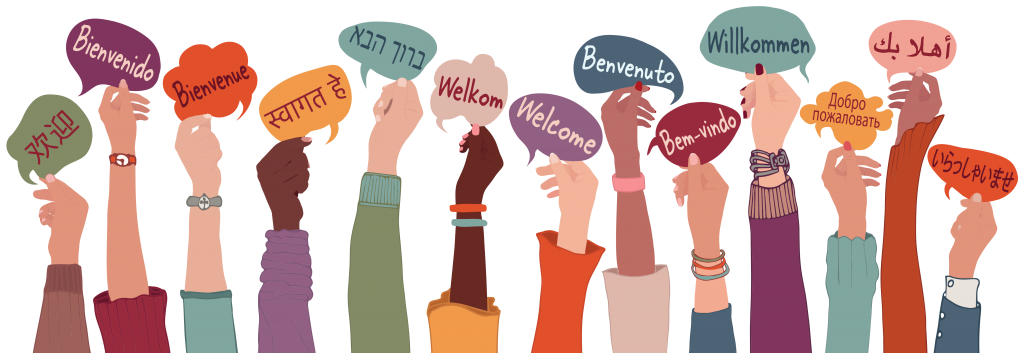
International Mother Language Day, observed annually on 21 February, was proclaimed by UNESCO to highlight the importance of linguistic diversity, cultural heritage, and language rights worldwide.
For a language school, this day carries particular significance: languages are not only tools for communication, but also bridges between cultures and foundations of lifelong learning.
Why is mother tongue education important in multicultural societies?
A person’s mother tongue shapes identity, thinking, and cultural belonging. International research and educational policies consistently show that strong mother tongue skills:
- support overall academic success,
- facilitate the acquisition of additional languages,
- strengthen confidence and intercultural awareness.
In multicultural environments, recognising and valuing learners’ first languages is essential for inclusive and effective education.
How does multilingualism support learning?
Multilingualism offers well-documented cognitive benefits. It enhances memory, problem-solving abilities, and mental flexibility. Learners who consciously build on their mother tongue while studying foreign languages often develop a deeper understanding of linguistic structures and communication strategies.