
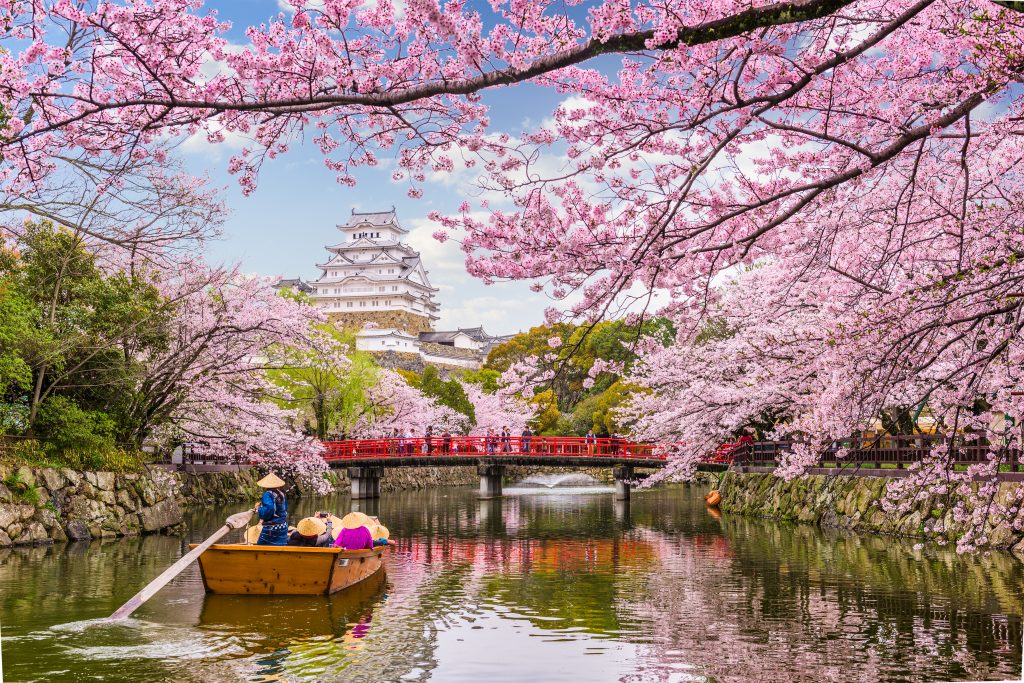
Japanese courses online or in classroom
Our online trainings are held on a digital platform agreed with the participant(s).
Our classroom trainings take place in the center of Budapes at our language school.
Course start: continuously throughout the year
We start our Japanese group language courses throughout the year depending on the number of applicants.
Our individual Japanese courses start within one week of registration.
Individual and small group courses
Our Japanese language courses take place within the framework of individual and small group courses (groups of 2 and 3-4 participants).
Number of lessons
The number of lessons for an Japanese language course module is 24 lessons (24 x 45 minutes) for a group course.
In the case of an individual Japanese course, the total number of lessons is flexible, it will be determined according to the request of the participant.
Course schedule
The course schedule for the Japanese language courses is always tailored to the needs of the participant(s). This applies to both our individual and small group courses.
Levels: from beginner to Advanced (C1)
We offer Japanese language courses from beginner to advanced at the following levels:
A1, A2, A2+, B1, B1+, B2, B2+, C1
Preliminary assessment test
For non-beginners, Japanese language courses are preceded by a test to assess the current language knowledge of the participant.

Professional and special Japanese courses
Among our Japanese language courses, we also offer professional language and special Japanese courses, including:
Professional Japanese language courses:
- business, economy, commercial, catering industry
Special Japanese trainings:
- Japanese language exam preparation course
- Japanese language course for university studies
- preparatory course for an Japanese job interview
- tourist language course for travelers to Japanese-speaking countries
- country studies about Japan
- intercultural training

About Japanese language and culture
In Japan, the academic year has the particularity of beginning in April. While in many countries September marks the start of school, in Japan spring symbolises renewal and new beginnings. During the cherry blossom season, or sakura, students don their new uniforms at the Njūgakushiki, a formal entrance ceremony. The first major decision of the school year comes shortly afterwards, when students choose their school club. The Japanese club system, known as bukatsu, is unique worldwide. These afternoon activities are supervised by teachers and include both sports and cultural groups. Participation is open to all and free of charge, and the clubs enjoy great popularity as they are considered essential for fostering discipline, team spirit, and a sense of community.
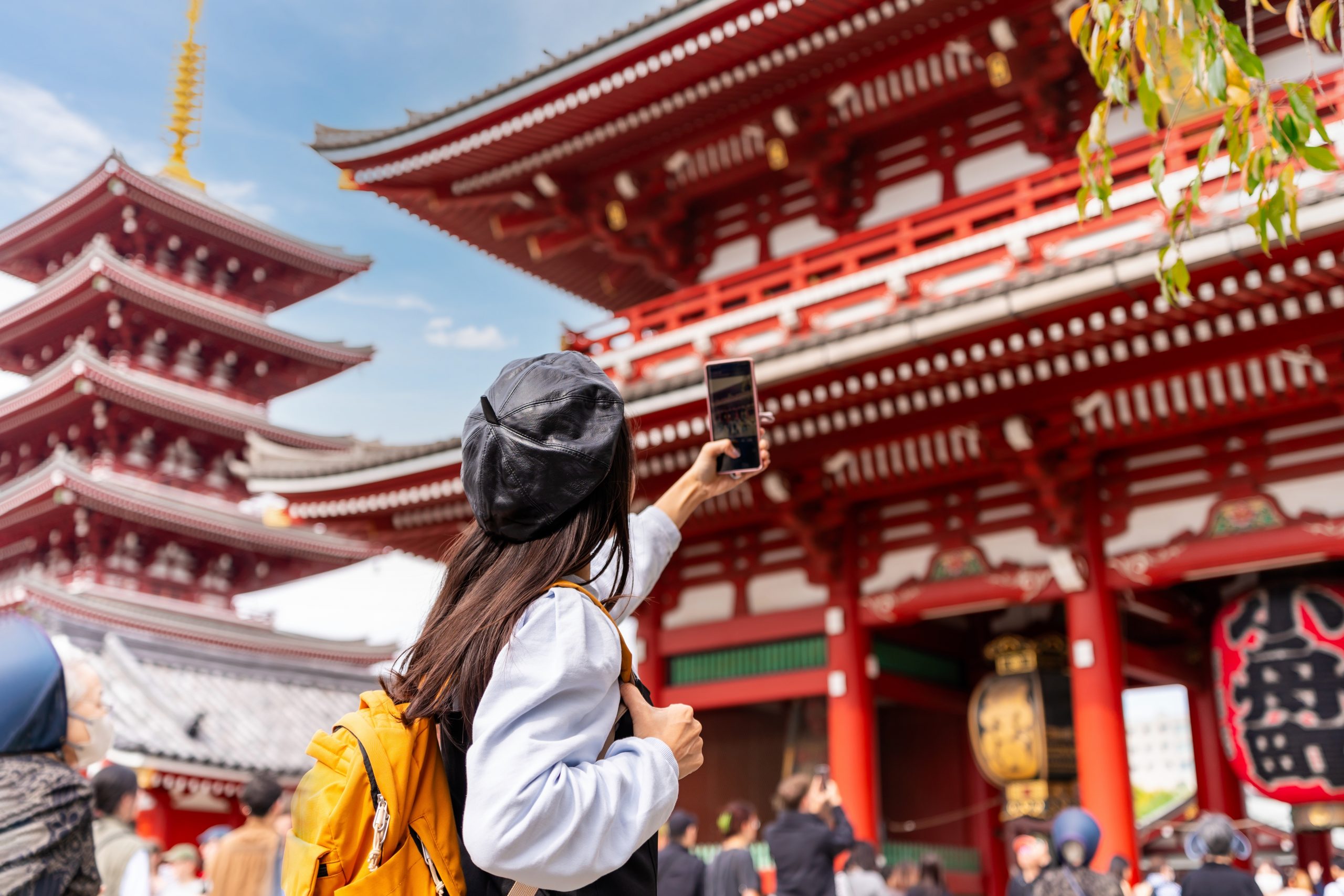
The cultural richness of the country is also reflected in the city of Kamakura, which offers visitors an exceptional blend of temples, coastline, and gastronomy. Along Komachi Dori, the lively shopping street, local delicacies can be tasted, including the famous Hato Sabure butter biscuits, a popular souvenir. The city is home to more than sixty Buddhist temples, among them the Kōtoku-in, which houses Japan’s second largest bronze Buddha statue. Another remarkable site is the Zeniarai Benzaiten shrine, where tradition holds that washing coins in the sacred spring water will multiply them, attracting prosperity and good fortune.

Japanese cuisine likewise presents distinctive flavours, and one of its most divisive dishes is nattō, made from fermented soybeans. Known for its sticky texture and pungent aroma, it can be surprising at first encounter, yet in Japan it is valued as a superfood rich in protein, vitamins, and probiotics. Buddhist monks consumed it centuries ago as a substitute for meat, and today it is most often served with rice, soy sauce, and spring onions.
The world of Japanese culture and education offers countless insights that extend far beyond language itself. In addition to linguistic knowledge, traditions, everyday customs, and culinary practices all provide a vivid picture of how Japan’s unique cultural and social identity has taken shape.