

Mandarin courses online or in classroom
Our online trainings are held on a digital platform agreed with the participant(s).
Our classroom trainings take place in the center of Budapes at our language school.
Course start: continuously throughout the year
We start our Mandarin group language courses throughout the year depending on the number of applicants.
Our individual Mandarin courses start within one week of registration.
Individual and small group courses
Our Mandarin language courses take place within the framework of individual and small group courses (groups of 2 and 3-4 participants).
Number of lessons
The number of lessons for an Mandarin language course module is 24 lessons (24 x 45 minutes) for a group course.
In the case of an individual Mandarin course, the total number of lessons is flexible, it will be determined according to the request of the participant.
Course schedule
The course schedule for the Mandarin language courses is always tailored to the needs of the participant(s). This applies to both our individual and small group courses.
Levels: from beginner to Advanced (C1)
We offer Mandarin language courses from beginner to advanced at the following levels:
A1, A2, A2+, B1, B1+, B2, B2+, C1,
Preliminary assessment test
For non-beginners, Mandarin language courses are preceded by a test to assess the current language knowledge of the participant.

Professional and special Mandarin courses
Among our Mandarin language courses, we also offer professional language and special Mandarin courses, including:
Professional Mandarin language courses:
- business, economy, commercial, catering industry
Special Mandarin trainings:
- Mandarin language exam preparation course
- preparatory course for an Mandarin job interview
- tourist language course for travelers to Mandarin-speaking countries
- country studies about China
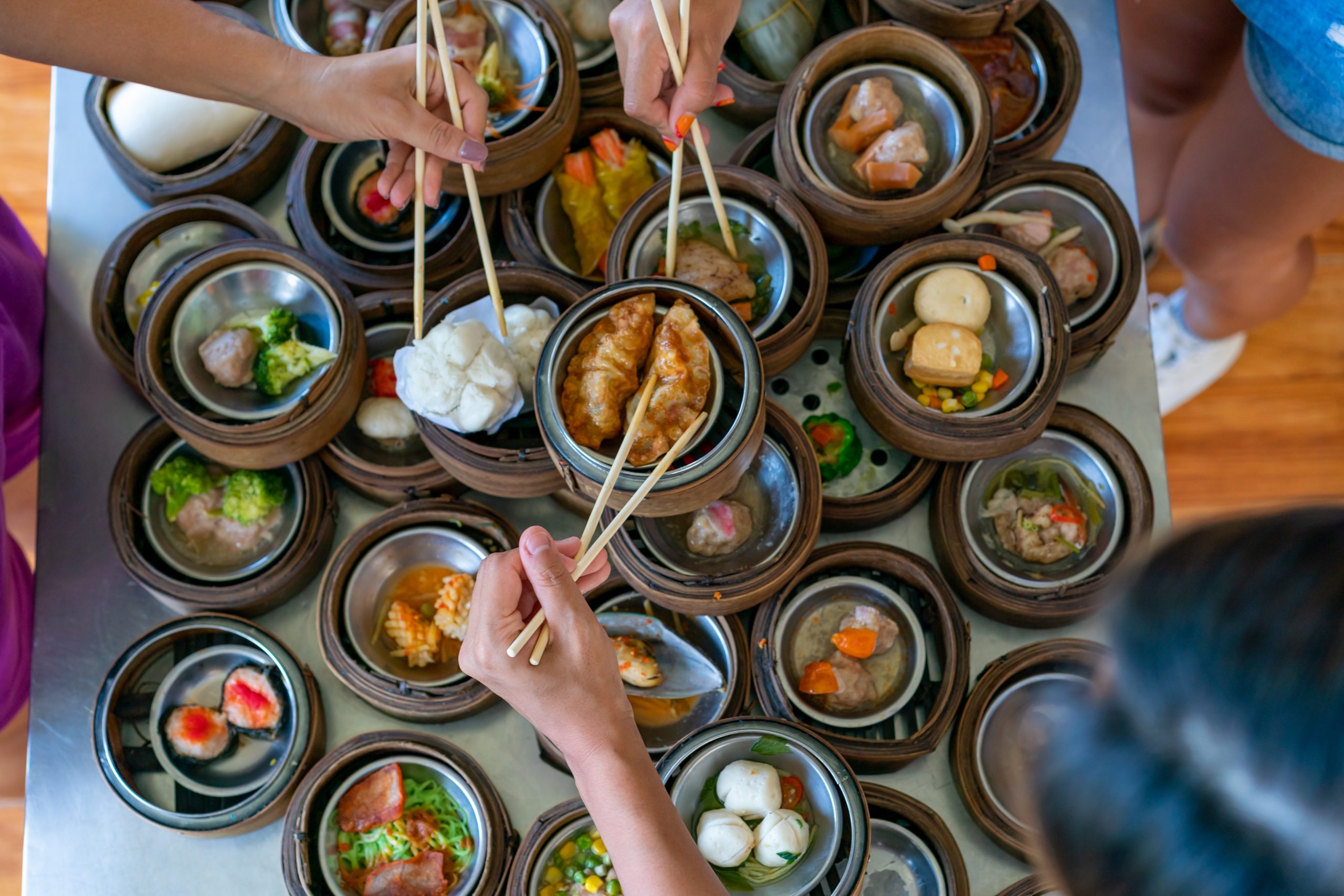
About Chinese language and culture
Chinese, or Zhōngwén / Hànyǔ, is the official language of the People’s Republic of China, Taiwan, and Singapore, and one of the six official languages of the United Nations. It is also spoken in communities across Malaysia, Indonesia, Thailand, and many other parts of the world where Chinese diaspora live. The language, primarily in its Mandarin variety, is the most widely spoken native language in the world, with over 920 million native speakers and more than 1.1 billion total speakers globally.
The Chinese language itself is central to cultural identity. Written Chinese, with its character-based system, links modern readers to ancient inscriptions carved more than three millennia ago. Despite the existence of hundreds of regional dialects, the shared writing system unifies speakers across the vast territory.

China, as one of the world’s oldest continuous civilizations, boasts a cultural heritage that stretches back over five millennia. Its history encompasses the rise and fall of legendary dynasties—Xia, Shang, Zhou, Qin, Han, Tang, Song, Yuan, Ming, Qing—and monumental achievements such as the invention of gunpowder, paper, the construction of the Great Wall, and the flourishing of the Silk Road.
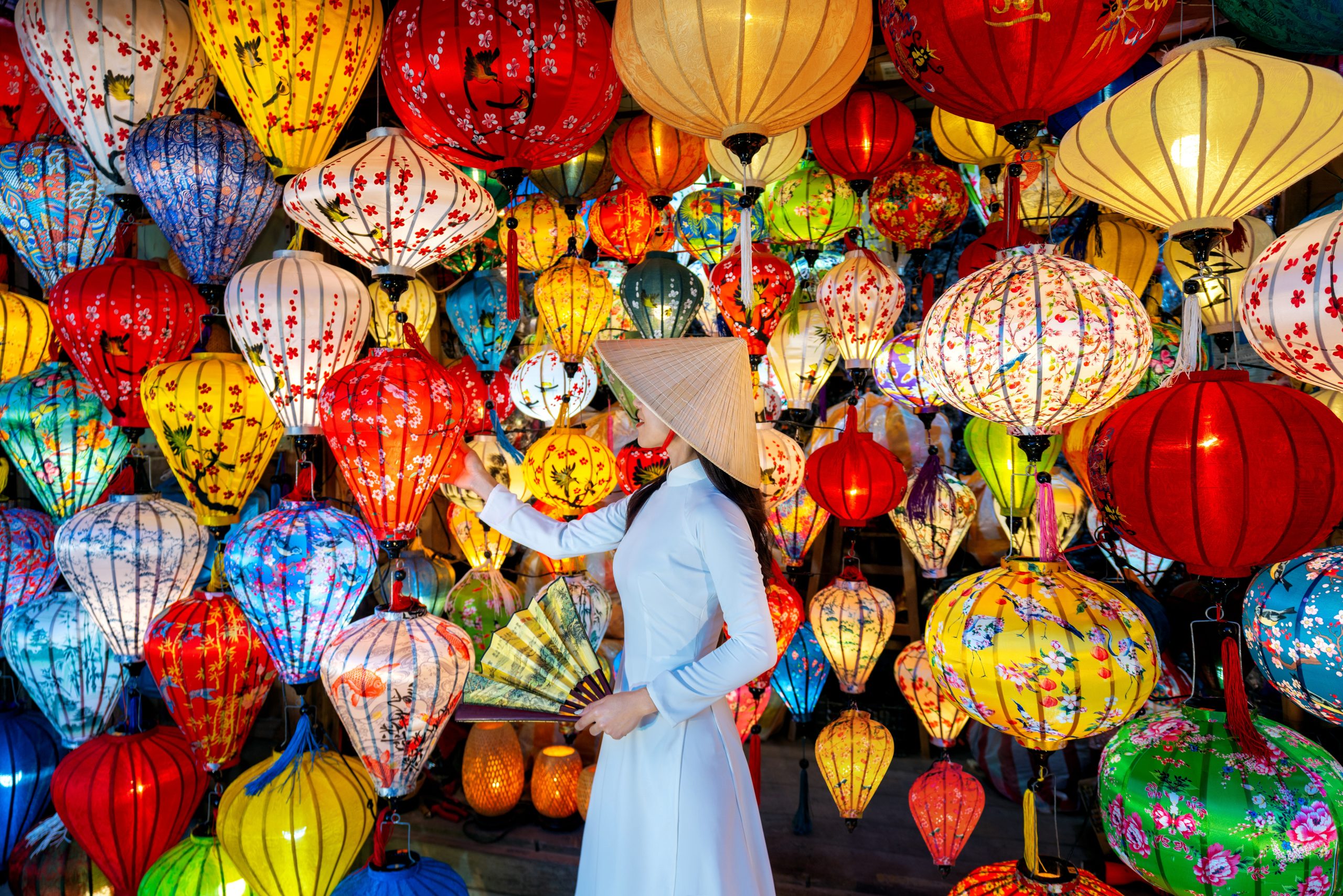
Artistic expression remains diverse and influential. Traditional forms such as Peking opera, ink painting, and porcelain-making coexist with contemporary cinema, fashion, and design. Festivals like the Lunar New Year and the Mid-Autumn Festival showcase a blend of ritual, family tradition, and culinary richness, while symbolic foods such as dumplings, mooncakes, and tea reflect values of prosperity, reunion, and harmony.