
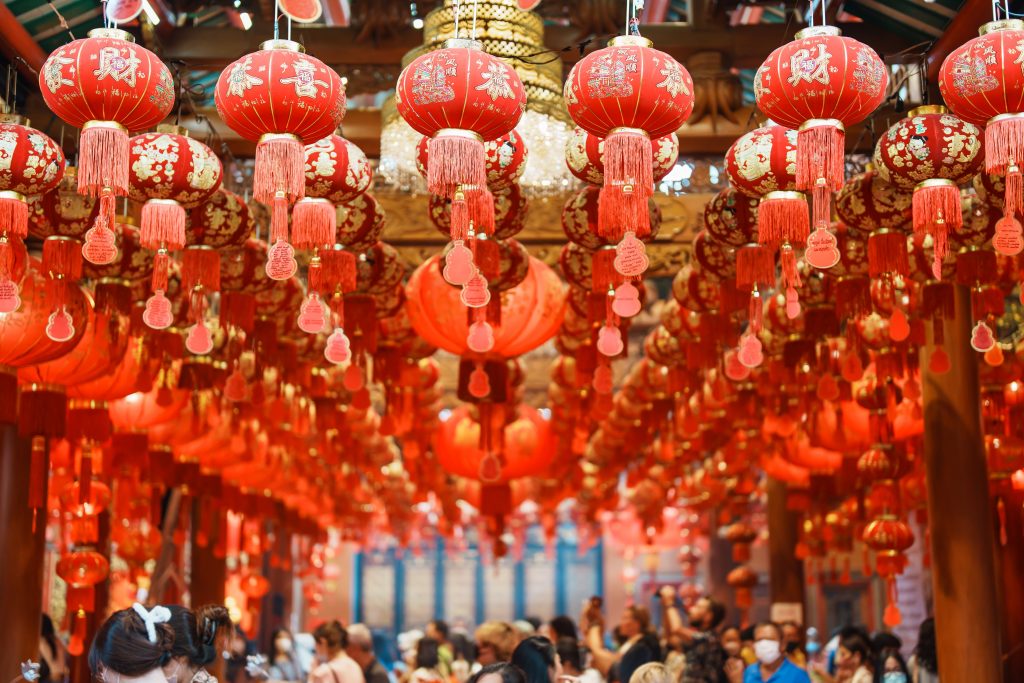
Each year, millions of people around the world celebrate the Lunar New Year, also known as the Spring Festival in China. Unlike the Gregorian New Year on 1 January, the Lunar New Year follows the lunisolar calendar and usually falls between late January and mid-February. The holiday marks the beginning of a new year based on the cycles of the moon and is widely observed in East and Southeast Asia, as well as in global diaspora communities.
Origins and Cultural Significance
The Lunar New Year has ancient roots, dating back thousands of years in Chinese civilisation. Traditionally, it marked the end of winter and the beginning of the agricultural planting season. Today, it remains the most important traditional holiday in China and is also celebrated in countries such as Vietnam (Tết), South Korea (Seollal), Singapore and Malaysia.
Families gather for reunion dinners, homes are cleaned and decorated to symbolise renewal, and red decorations are displayed to bring good fortune. Fireworks, dragon and lion dances, and the exchange of red envelopes (often containing money) are common customs in many communities. These traditions symbolise prosperity, health and good luck in the year ahead.
The Lunar New Year also reflects the deep connection between language and tradition. Greetings, blessings and symbolic expressions play an important role, and each year is associated with one of the twelve animals of the Chinese zodiac.